How to improve the environment in Sittingbourne and Sheppey
« Change locationFriends of the Earth has produced this unique resource for everyone who’s actively engaged in making their community a better place, from campaigners to MPs. It features a range of recent data on some of the key environmental issues impacting people in Sittingbourne and Sheppey, as well as identifying actions your MP could take to improve your area.
It will be regularly updated and new data added. For example, later in 2026, we will include a new data source, the Index of Multiple Environmental Deprivation, which will rank local authority areas based indicators of pollution, nature and climate resilience, This new data sits alongside the socio-economic Index of Multiple Deprivation, where Sittingbourne and Sheppey is ranked 113 out of 543.
How to improve the environment in Sittingbourne and Sheppey
« Change locationFriends of the Earth has produced this unique resource for everyone who’s actively engaged in making their community a better place, from campaigners to MPs. It features a range of recent data on some of the key environmental issues impacting people in Sittingbourne and Sheppey, as well as identifying actions your MP could take to improve your area.
What do people in Sittingbourne and Sheppey think about the environment?
Climate and energy
Extreme weather caused by climate change is already impacting people here in the UK and overseas, particularly marginalised communities such as disabled people and those on low incomes. It’s also harming nature. So reducing carbon emissions to stop these extreme weather events getting much worse is essential. The good news is that in doing so, we can also make people’s lives better.
| Label | Value |
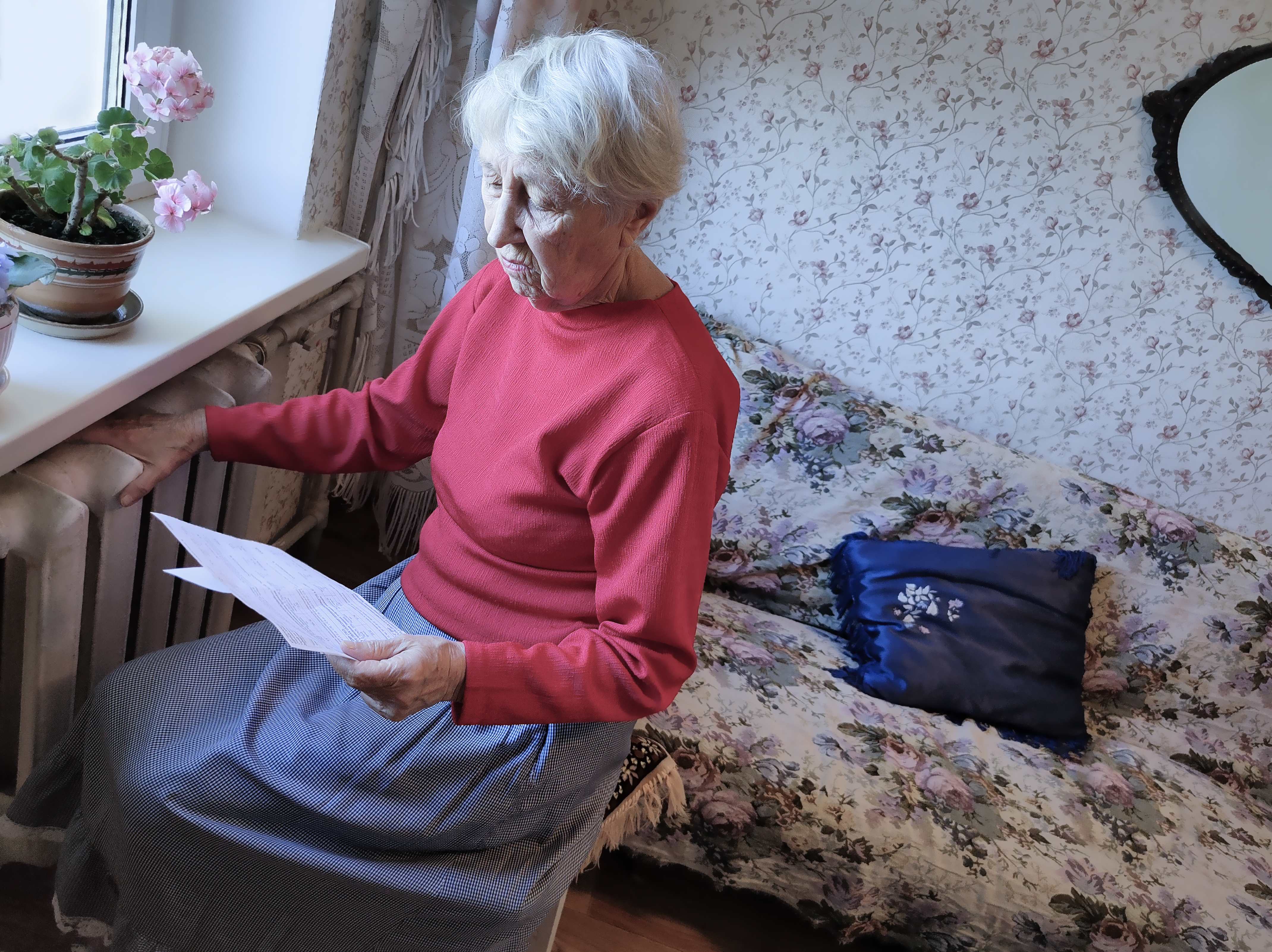
| Poorly insulated homes in Sittingbourne and Sheppey | 51% |
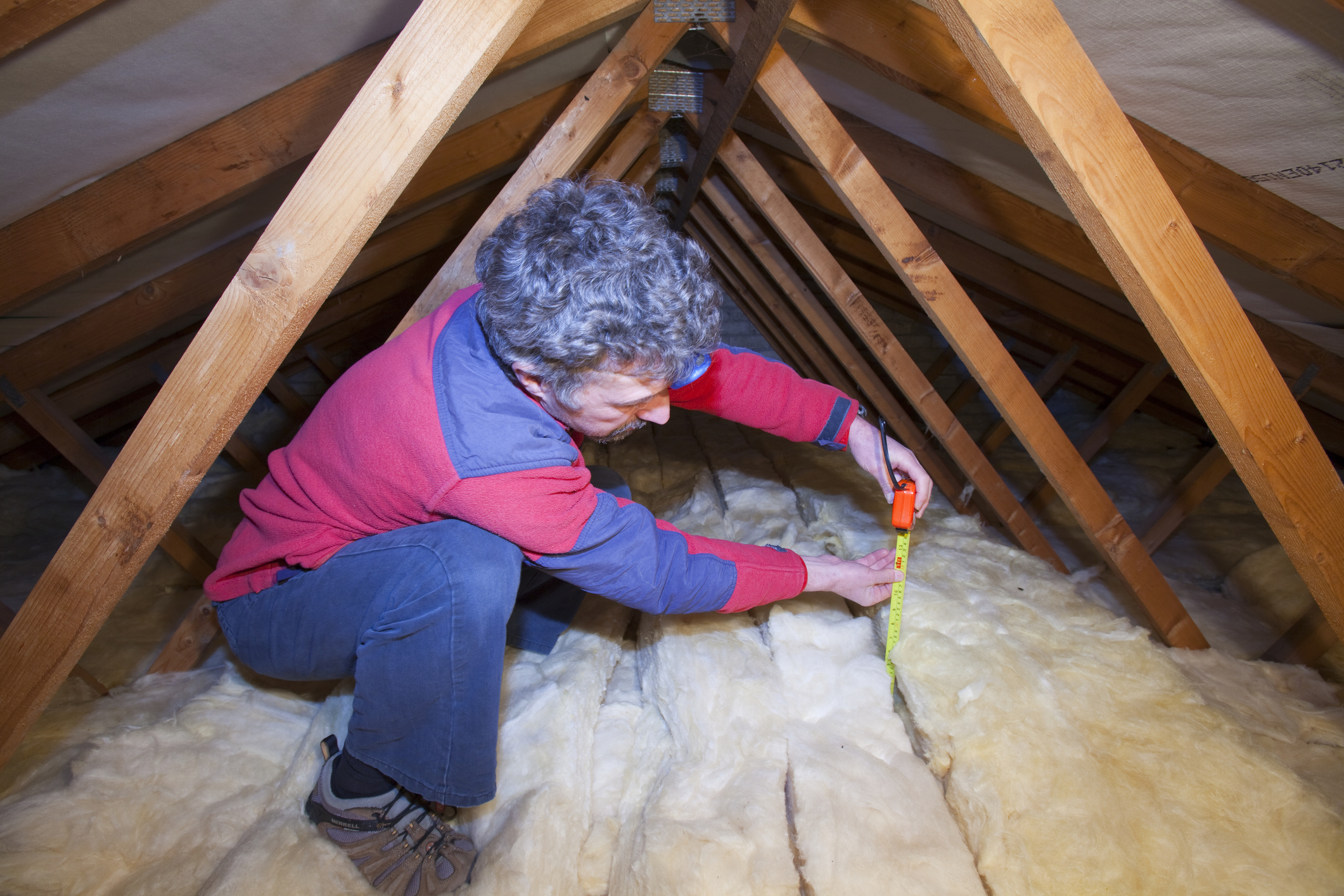
Cold, poorly insulated homes drive up energy bills and carbon emissions. They’re associated with both physical and mental health conditions, and they’re also more likely to overheat in the summer.
In Sittingbourne and Sheppey, 16% of climate emissions are from homes. 51% of homes are rated EPC D or below (compared with the average across England and Wales of 53%), meaning these houses are particularly bad at retaining heat. That’s 22,342 households with unnecessarily high energy bills. 9% of households are in fuel poverty according to government data, although this is likely to be an underestimate. Insulating these homes will reduce energy bills and carbon emissions. It will also improve people’s health and lower costs for the NHS.
603 households in Sittingbourne and Sheppey are also now using electric-powered heat pumps to heat their homes and hot water, which is cutting their carbon emissions and if properly fitted will cut their energy bills.
Cleaner air
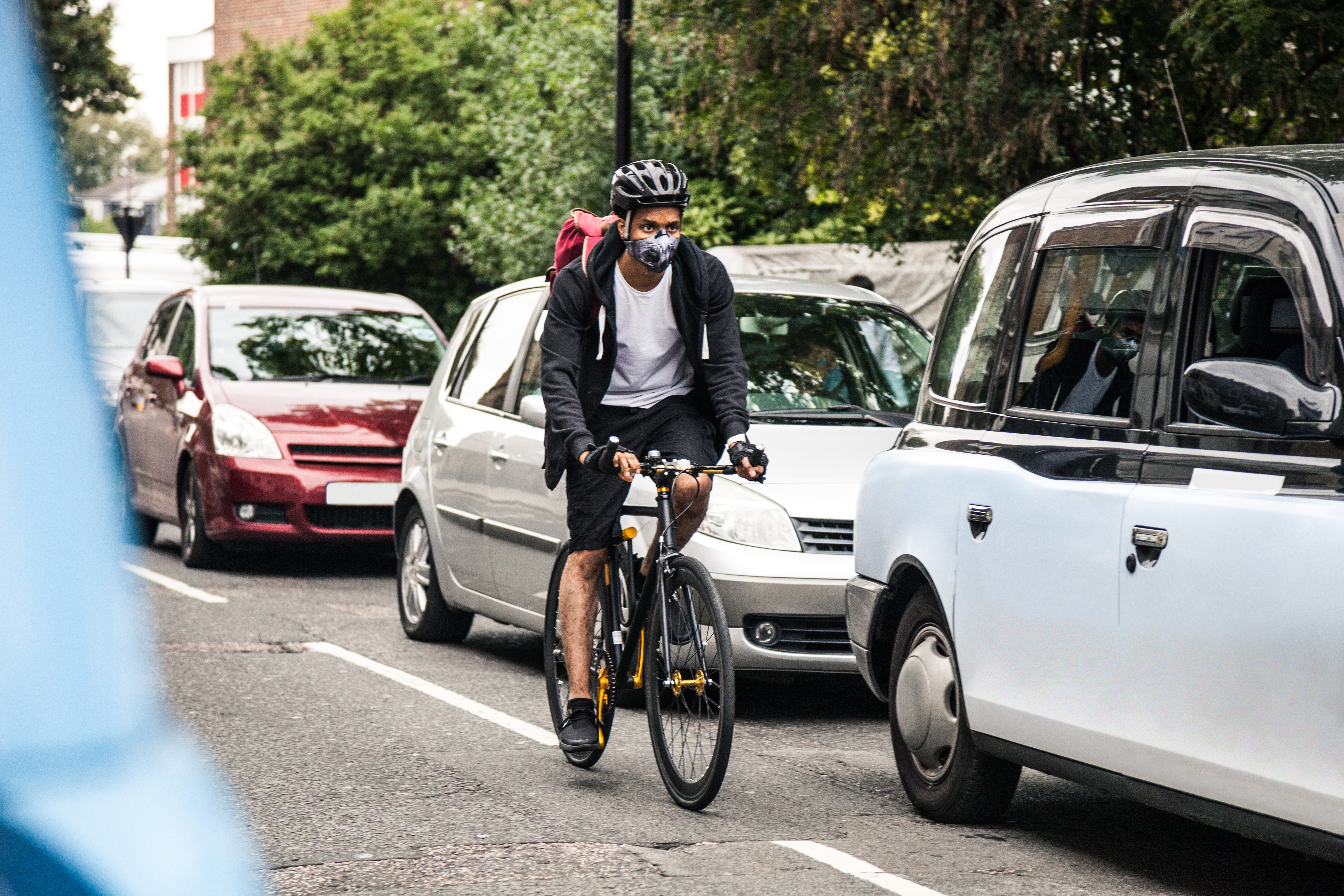
In Sittingbourne and Sheppey, transport accounts for 29% of climate emissions. Transport also causes air pollution, which is the largest environmental risk to public health in the UK, contributing to up to 30,000 deaths every year.
In Sittingbourne and Sheppey, 100% of neighbourhoods have air pollution above levels recommended by the World Health Organization. And 9% of the population suffers from the respiratory diseases asthma and/or chronic obstructive pulmonary disease, which are made worse by air pollution.
| Label | Value |
| Bus services have declined in Sittingbourne and Sheppey | 37% |
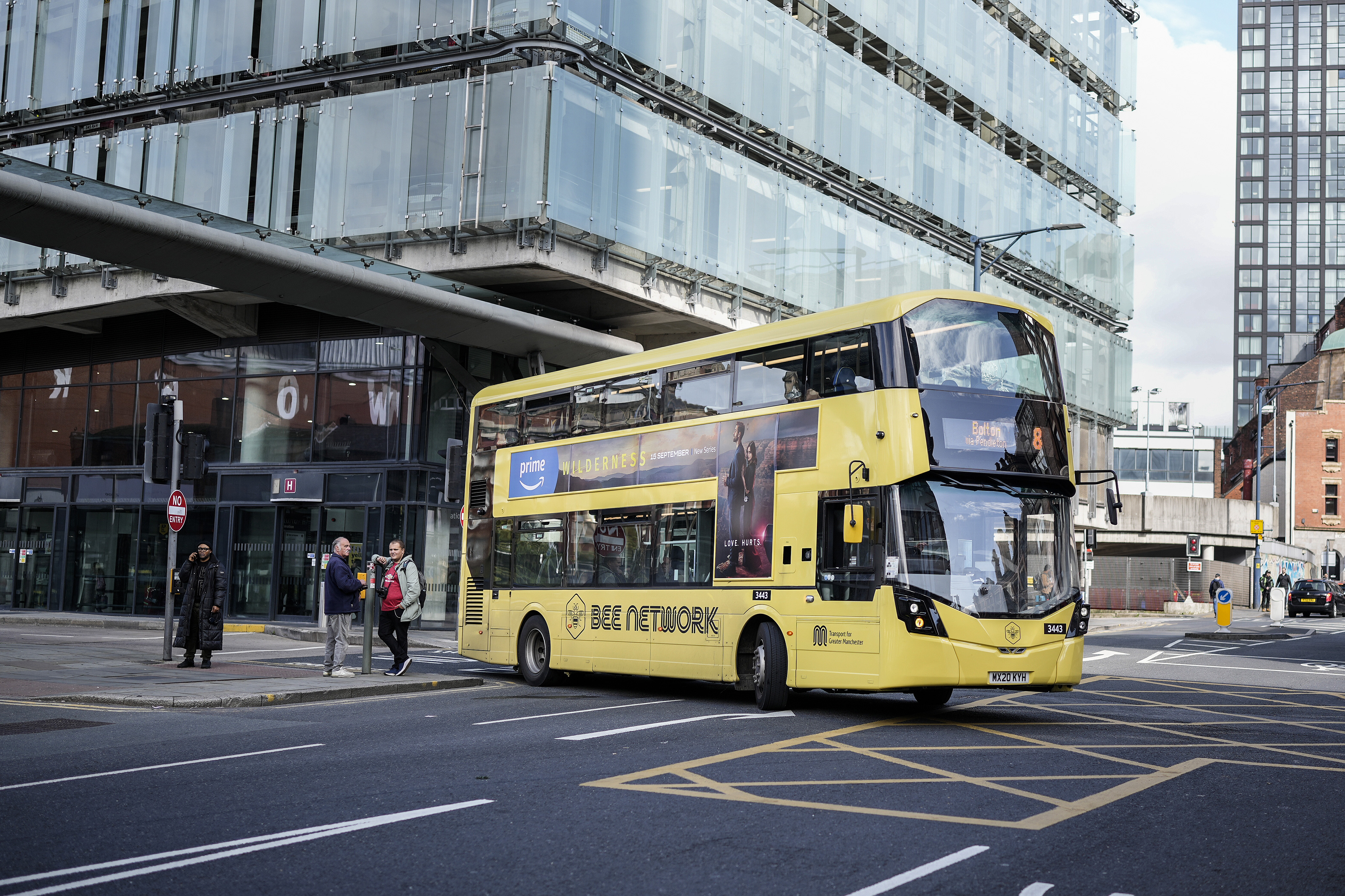
Better bus services can reduce the need to drive and lower air pollution. But analysis of timetable data by the University of Leeds has shown that bus services declined significantly everywhere except London between 2010 and 2023. In Sittingbourne and Sheppey, services declined by 37%. A decent bus service means the 17% of households without a car in Sittingbourne and Sheppey would be better able to access jobs, essential services and social networks.
A rapid switch to electric cars will also reduce air pollution. There need to be enough public chargers for this, and these must be affordable and accessible for disabled drivers. In Sittingbourne and Sheppey, there are currently 86 public chargers, whereas 512 are needed by 2030.
More cycling and walking can also reduce air pollution. An analysis has shown that 22% of commuter journeys in Sittingbourne and Sheppey could be made by bike, as long as there’s decent cycling infrastructure and increased use of e-bikes. Currently only 1% of commuters in Sittingbourne and Sheppey cycle to work.
Cheaper energy
Energy bills have skyrocketed over recent years as the price of gas soared after the invasion of Ukraine. Developing more renewable energy more quickly can reduce bills and increase energy security. Friends of the Earth has mapped the sites most suitable for onshore wind and solar.
2,457 homes in Sittingbourne and Sheppey already have solar panels, which are reducing householders' energy bills and producing clean energy from the sun.
What should the UK government do to improve on climate and energy?
The government is already:
- Requiring landlords to improve insulation standards in social and private-rented homes and funding local authority insulation programmes.
- Encouraging local authorities to improve bus services by regulating them, although more money is also needed here.
- Supporting the development of renewable energy, including rooftop solar.
The government needs to:
- Invest more in its Warm Homes Plan, funded by polluter pays taxes, targeting financial support to low-income households to enable them to fit insulation and heat pumps. 77% of voters across the political spectrum agree government should support low-income homeowners to insulate their homes. The government should also introduce a social tariff (ie cheaper energy) for those with the lowest incomes so they can better afford to keep warm in winter.
- Speed up the roll-out of electric vehicle chargers and ensure they’re affordable and also accessible to disabled drivers. It should also invest in bus services as well as cycling and walking routes, especially for those without a car. 80% of voters across the political spectrum support increased bus services.
What should other political parties do?
- Support the UK’s national and international climate targets – not only to tackle harmful climate impacts, but also to deliver the economic and social benefits of climate action.
- Press the government to ensure that all its climate policies benefit everyone, including those on low incomes, and that the costs fall on those who can most afford to pay, for example fossil fuel companies and wealthy frequent flyers.
Climate and energy
Extreme weather caused by climate change is already impacting people here in the UK and overseas, particularly marginalised communities such as disabled people and those on low incomes. It’s also harming nature. So reducing carbon emissions to stop these extreme weather events getting much worse is essential. The good news is that in doing so, we can also make people’s lives better.
Warmer homes
Cold, poorly insulated homes drive up energy bills and carbon emissions. They’re associated with both physical and mental health conditions, and they’re also more likely to overheat in the summer.
In Sittingbourne and Sheppey, 16% of climate emissions are from homes. 51% of homes are rated EPC D or below (compared with the average across England and Wales of 53%), meaning these houses are particularly bad at retaining heat. That’s 22,342 households with unnecessarily high energy bills. 9% of households are in fuel poverty according to government data, although this is likely to be an underestimate. Insulating these homes will reduce energy bills and carbon emissions. It will also improve people’s health and lower costs for the NHS.
603 households in Sittingbourne and Sheppey are also now using electric-powered heat pumps to heat their homes and hot water, which is cutting their carbon emissions and if properly fitted will cut their energy bills.
Cleaner air
In Sittingbourne and Sheppey, transport accounts for 29% of climate emissions. Transport also causes air pollution, which is the largest environmental risk to public health in the UK, contributing to up to 30,000 deaths every year.
In Sittingbourne and Sheppey, 40% of neighbourhoods have nitrogen dioxide (NO2) levels above that recommended by the World Health Organization (WHO), while 100% have particulate matter (PM2.5) levels above WHO’s recommendation.
In Sittingbourne and Sheppey, 100% of neighbourhoods have particulate matter (PM2.5) levels above that recommended by the World Health Organization (WHO).
Better bus services can reduce the need to drive and lower air pollution. But analysis of timetable data by the University of Leeds has shown that bus services declined significantly everywhere except London between 2010 and 2023. In Sittingbourne and Sheppey, services declined by 37%. A decent bus service means the 17% of households without a car in Sittingbourne and Sheppey would be better able to access jobs, essential services and social networks.
A rapid switch to electric cars will also reduce air pollution. There need to be enough public chargers for this, and these must be affordable and accessible for disabled drivers. In Sittingbourne and Sheppey, there are currently 86 public chargers, whereas 512 are needed by 2030.
More cycling and walking can also reduce air pollution. An analysis has shown that 22% of commuter journeys in Sittingbourne and Sheppey could be made by bike, as long as there’s decent cycling infrastructure and increased use of e-bikes. Currently only 1% of commuters in Sittingbourne and Sheppey cycle to work.
Cheaper energy
Energy bills have skyrocketed over recent years as the price of gas soared after the invasion of Ukraine. Developing more renewable energy more quickly can reduce bills and increase energy security.
Already 2,457 homes in Sittingbourne and Sheppey have solar panels which are reducing the householder's energy bill and producing clean energy from the sun.
What should the UK government do to improve on climate and energy?
The government is already:
- Requiring landlords to improve insulation standards in social and private-rented homes and funding local authority insulation programmes.
- Encouraging local authorities to improve bus services by regulating them, although more money is also needed here.
- Supporting the development of renewable energy, including rooftop solar.
The government needs to:
- Invest more in its Warm Homes Plan, funded by polluter pays taxes, targeting financial support to low-income households to enable them to fit insulation and heat pumps. 77% of voters across the political spectrum agree government should support low-income homeowners to insulate their homes. The government should also introduce a social tariff (ie cheaper energy) for those with the lowest incomes so they can better afford to keep warm in winter.
- Speed up the roll-out of electric vehicle chargers and ensure they’re affordable and also accessible to disabled drivers. It should also invest in bus services as well as cycling and walking routes, especially for those without a car. 80% of voters across the political spectrum support increased bus services.
What should other political parties do?
- Support the UK’s national and international climate targets – not only to tackle harmful climate impacts, but also to deliver the economic and social benefits of climate action.
- Press the government to ensure that all its climate policies benefit everyone, including those on low incomes, and that the costs fall on those who can most afford to pay, for example fossil fuel companies and wealthy frequent flyers.
Nature
The UK is one of the most nature-depleted countries in the world. And alongside our precious wildlife and habitats, people of colour and people living in urban areas are particularly affected. We know that access to nature is essential to our health and wellbeing. It can also provide some protection against climate impacts. So it’s crucial that we protect and restore nature.
Greener spaces
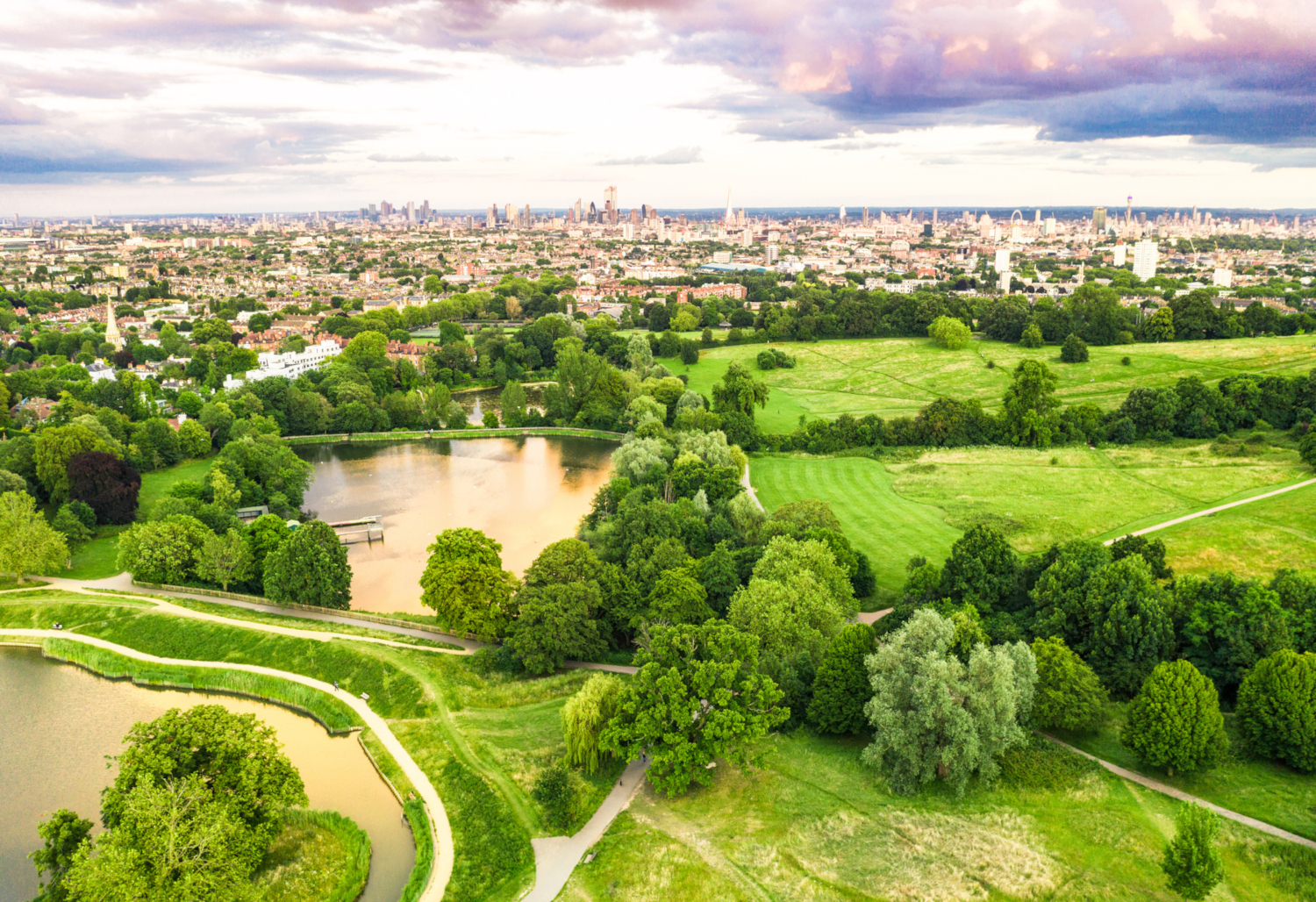
Sittingbourne and Sheppey has average access to green space compared with other constituencies, with 31 m2 of green space per person.
In Sittingbourne and Sheppey, [area:nature:flooding_england_rivers_seas:people:number:human-readable] people are at risk of flooding from rivers and seas and [area:nature:flooding_england_surface_water:people:number:human-readable] are at risk of flash flooding. Increasingly it’s recognised that turning to nature can help prevent floods, for example by restoring peatlands, planting trees and using green spaces to slow and store flood water.
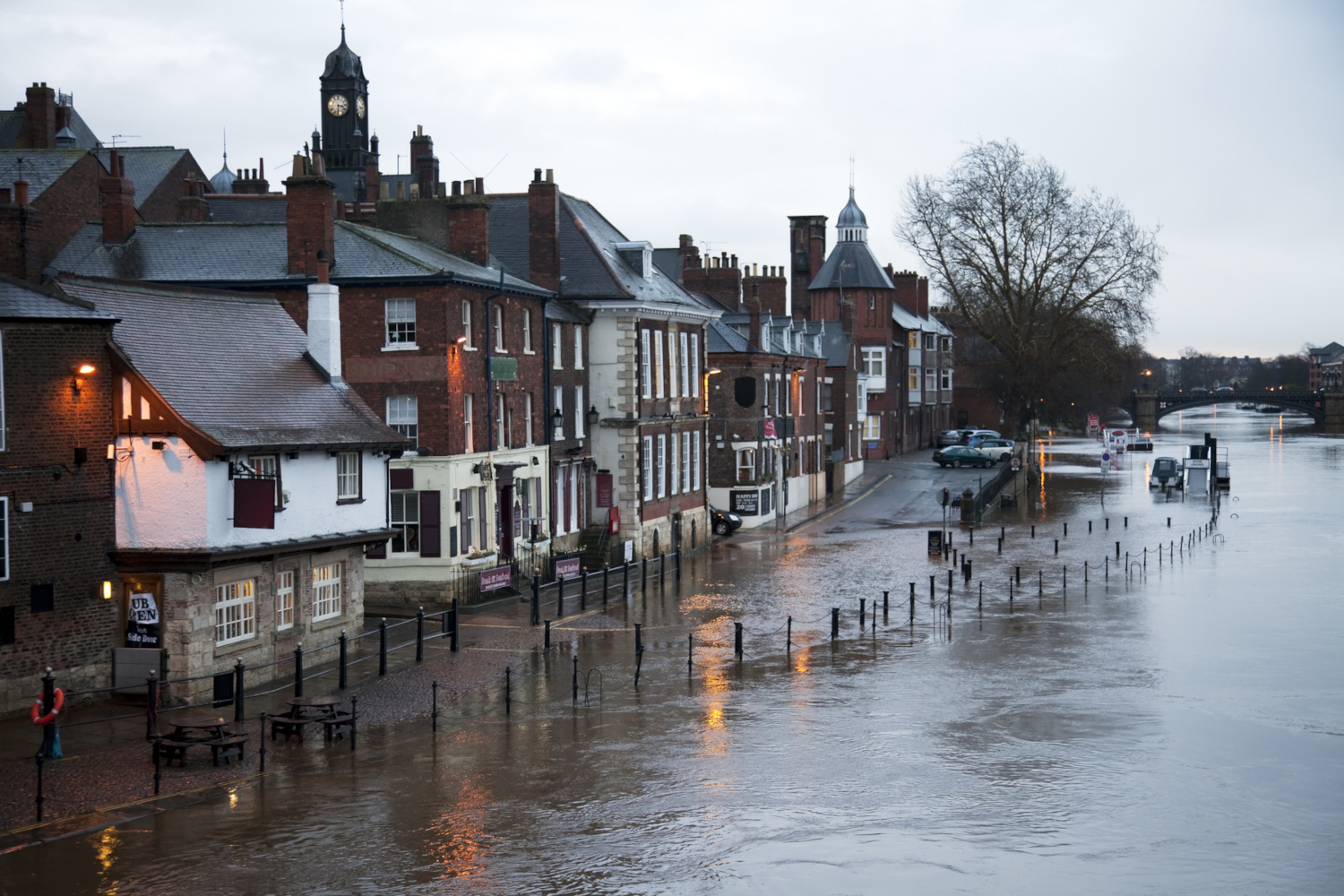
In Sittingbourne and Sheppey, 720 people are currently at risk of flooding from rivers or, and this will increase to 970 as climate change worsens. Increasingly it’s recognised that turning to nature can help prevent floods, for example by restoring peatlands, planting trees and using green spaces to slow and store flood water, alongside ‘hard’ flood defences such as walls and barriers.
In Sittingbourne and Sheppey, 720 are at high risk of flooding from rivers, or flash flooding and this will increase to 970 as climate change worsens. Increasingly it’s recognised that turning to nature can help prevent floods, for example by restoring peatlands, planting trees and using green spaces to slow and store flood water, alongside 'hard' flood defences such as walls and barriers.
In Sittingbourne and Sheppey, the temperature reached 38.8°C during the record-breaking heatwave in 2022. Those most susceptible to extreme heat include babies, pregnant women, people in poor health and the elderly. Nature provides cooling during heatwaves, for example shade from tree cover. But 97% of neighbourhoods in Sittingbourne and Sheppey have less than 20% tree cover.
Cleaner water
Along with farm run-off, sewage is turning our rivers into dangerous environments for both people and wildlife. In England, only 14% of rivers are in good ecological condition. And in Sittingbourne and Sheppey, there are 17 storm overflows that spilled raw sewage 108 times for 202 hours in 2024. So restoring nature also means cleaning up our rivers.
What should the UK government do to improve on nature?
The government is already:
- Spending more on peatland restoration and tree planting than the previous government.
- Increasing the money available for flood defences.
- Requiring water companies to invest in reducing the amount of sewage entering our rivers.
- Continuing to fund farmers for nature-friendly farming.
But despite this, the government still needs to increase the funding and resources available for nature restoration, flood protection and heat resilience. This includes increasing the resources available to local authorities to increase green space where needed, ensure all areas of public green space are safe and well maintained, and plant trees in areas susceptible to high levels of heat.
What should other political parties do?
- Commit to protecting and restoring nature, including through more money for local authorities and farmers.
- Press the government to update its national adaptation plan – which aims to protect people, nature, businesses and infrastructure from extreme weather events – and invest more in nature solutions.
Nature
The UK is one of the most nature-depleted countries in the world. And alongside our precious wildlife and habitats, people of colour and people living in urban areas are particularly affected. We know that access to nature is essential to our health and wellbeing. It can also provide some protection against climate impacts. So it’s crucial that we protect and restore nature.
Greener spaces
In Sittingbourne and Sheppey, people are at risk of flooding from rivers and seas and are at risk of flash flooding. Increasingly it’s recognised that turning to nature can help prevent floods, for example by restoring peatlands, planting trees and using green spaces to slow and store flood water.
Nature provides cooling during heatwaves, for example shade from tree cover. In Sittingbourne and Sheppey, the temperature reached 38.8°C during the record-breaking heatwave in 2022. Those most susceptible to extreme heat include babies, pregnant women, people in poor health and the elderly.
Cleaner water
Along with farm run-off, sewage is turning our rivers into dangerous environments for both people and wildlife. In Wales, only 44% of rivers are in good ecological condition. And in Sittingbourne and Sheppey, there are 17 storm overflows that spilled raw sewage 108 times for 202 hours in 2024. So restoring nature also means cleaning up our rivers.
What should the UK government do to improve on nature?
The government is already:
- Spending more on peatland restoration and tree planting than the previous government.
- Increasing the money available for flood defences.
- Requiring water companies to invest in reducing the amount of sewage entering our rivers.
- Continuing to fund farmers for nature-friendly farming.
But despite this, the government still needs to increase the funding and resources available for nature restoration, flood protection and heat resilience. This includes increasing the resources available to local authorities to increase green space where needed, ensure all areas of public green space are safe and well maintained, and plant trees in areas susceptible to high levels of heat.
What should other political parties do?
- Commit to protecting and restoring nature, including through more money for local authorities and farmers.
- Press the government to update its national adaptation plan – which aims to protect people, nature, businesses and infrastructure from extreme weather events – and invest more in nature solutions.
Jobs and the economy
The net-zero economy in the UK is fast outpacing growth in other sectors, growing at triple the rate of the rest of the economy. Jobs in the net-zero economy include renewable energy and energy storage, housing retrofit, low-carbon vehicles, climate adaptation and management of the natural environment. In 2024, there were 1,033 people working full-time in net-zero jobs in Sittingbourne and Sheppey.
What should the UK government do to improve on jobs and the economy?

The government is already encouraging industries like offshore wind to increase the proportion of British-made components. It has published a Clean Energy Jobs Plan to train young people to develop skills in growing work areas such as housing retrofit, as well as support existing workers to retrain. 81% of voters across the political spectrum support expanding training and job opportunities for young people and workers in green industries.
What should other political parties do?
- Press the government to deliver a just transition plan so that workers in changing industries are equipped to transition to new roles.
Funding climate and nature action
Current government investment in areas such as warmer homes, electric vehicles, buses and renewable energy is very welcome. But more is needed if climate and nature targets are to be met.
Friends of the Earth believes that it shouldn’t be ordinary people picking up the bill. Instead, it should be the companies and wealthy individuals that cause much of the pollution. And 78% of voters across the political spectrum agree.
What should the UK government do to raise the money needed?
The government needs to:
- Increase and extend taxes on fossil fuel companies.
- Introduce a frequent flyer levy for those who take lots of flights a year, while not penalising those who fly infrequently.
- Introduce additional taxes on the super-wealthy.
What should other political parties do?
- Press the government to introduce “polluter pays” taxes.
What to do with this data